How I’m Recovering From Jetlag (Without Sleeping All Day)
I’m currently trying to get over jetlag—a 7-hour redeye flight from Toronto to London always has me struggling. I can’t sleep on airplanes; maybe one day I’ll be fancy enough to get a pod on a first-class flight, where I can lie down fully. But for now, it’s economy seats, with my head under my hoodie leaning on the tray table.
After a long flight and very little sleep, getting home is a drag. My partner and I have it down to a science. We get home ASAP which is usually mid-morning; he falls asleep immediately; I shower first and fall asleep soon after. But often this can lead to a nocturnal style, where we’re asleep during the day, and feeling too rested in the evening to fall asleep again.
In order for this not to be the case, here are all the things I’m trying to do to fight the jetlag:
Restarting my morning & evening routines
These always get disturbed when I travel, so getting back to them takes some time. They’re not complicated: in the morning, I:
get dressed,
do my skincare and haircare,
brush my teeth,
stretch, and
drink tea and eat breakfast
journal.
That’s it—short and simple!
In the evening, I write a to-do list for the next day, shower, do my evening skincare, and brush my teeth. It’s a pretty run-of-the-mill routine, but having a little mental list is helpful when you feel like a zombie!
Absorbing as much sunlight as I can
Walking outdoors, and on rainy days keeping blinds open, really helps—natural sunlight is biggest brain signal that it’s daytime.
Staying active.
I give myself grace for the day I fly, but every other day this week, I’ve pushed myself to move my body, even if I’m feeling like a zombie. I aim for 10,000 steps per day, or I hit the gym to do a workout. Does this suck? Yes. And I don’t recommend lifting heavy weights if you’re exhausted, you can hurt yourself. But walking to the park or to get groceries is gentle movement that helps my body stay awake.
Avoiding caffeine in the afternoon.
I have tea and sometimes coffee in the morning to wake up, but after lunch I don’t drink anything with caffeine. I try to make sure that stimulants aren’t keeping me awake when I don’t want to be!
Drinking lots of water
I’m not sure that this is helping with sleep, if I’m being completely honest with myself. I know that a 7-hour flight dried out my skin like nothing else, and it’s helping with that. But also, jetlag can impact your digestive system, and drinking water feels like a signal to my body that I’m awake and ready to start the day. And speaking of digestion…
Eating at mealtimes, not when hunger strikes
I’m waiting until mealtimes to eat so that my body recognises the patterns and falls back into the breakfast/lunch/dinner rhythm. I won’t force myself to eat when I’m not hungry, so breakfast is very light; but if I get hungry mid-afternoon, I wait until dinner.
Setting a daily alarm
Right now I’m lucky, in that I don’t have to get up at the same time every day. But I’ve set an alarm to tell me when it’s 8AM—my usual waking time. Currently I’m waking up and turning it off, but I hope to break that habit soon.
Using melatonin to fill the gap
I found some melatonin gummies on my trip to France last year; I try not to use them too much, because I don’t want to become reliant on them. But when I wake up at 2:30am and I know I need to go back to sleep, it’s nice to have a sleep aid. I don’t usually drink alcohol, but if I did I’d be avoiding it as a sleep aid—it’s been known to help people fall asleep, but the sleep you get is worse, as alcohol inhibits our body’s ability to fall into deep REM sleep. So you might fall asleep faster, but you might also wake up feeling tired.
What are your tips for getting over jetlag? Let me know in the comments, because I’m truly ready to be over this headache and waking up in the middle of the night. Happy travels!
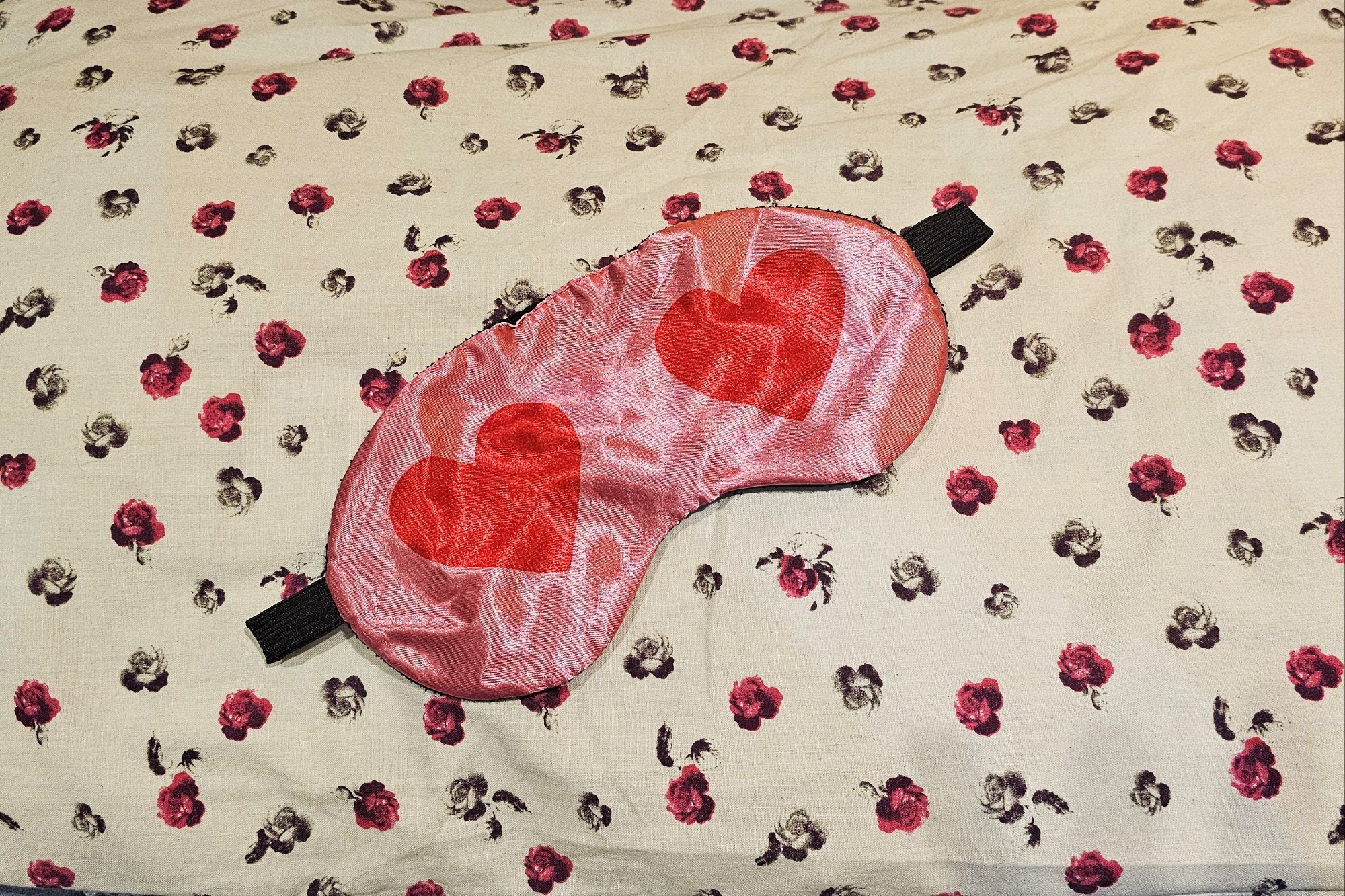
[…] These are a must-have if I’m travelling east over time zones; when I fly from North America back to Europe, especially on a red-eye, I need help telling my body when to sleep. For me, these look like physical aids (a decent sleep mask and earplugs) and medicinal aids (melatonin capsules). I’ve written more about how to get over jetlag here. […]




Leave a Reply