
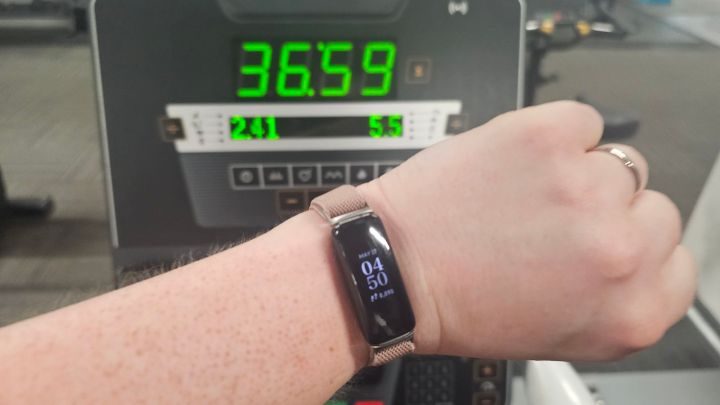
Earlier this year, I started wearing my FitBit tracker again, starting up the habits I gave up five years ago: tracking my steps, sleep, and active heartrate.
When you love travel as much as I do, keeping active matters. If you try climbing the stairs of a ruined cathedral, hiking up hills in the hot sun, or enjoying winter sports like skating and skiing without already being active, you won’t get far, and might even end up hurting yourself.
I also care about keeping moving because I want to be travelling well into my 60s and 70s, and walking/being ambulatory at that age is important to me. I don’t want to miss out because I only exercised while I’m away from home; I want a lifestyle that incorporates movement in it naturally.
But now that I’ve been wearing my tracker for a couple of weeks, I’m starting to remember all the things I loved and hated about it—and how my tracking these metrics would sometimes help me deal with my anxiety, or made it even worse. If you’re thinking about getting a fitness tracker, here are a few things to consider:
It helps: Encouraging me to move, which makes me feel better (and less anxious).
The reason I put the tracker back on after 5 years was because whether I was travelling or at home, I was worried that my default state was pretty sedentary. I think that I overestimate how much healthy stuff I do (like eating veggies, or moving my body) and underestimate how often I do unhealthy things (like staying up late, or eating too much sugar). Realising in the first week that I wasn’t getting anywhere close to the 10,000 steps per day goal was eye-opening, and pushed me to get more movement in my day—which had the impact of a clearer head and more endorphins. In short: when I move more, I’m happier, and the tracker reminds me of that.
It hurts: Bad sleep scores keep me up at night, and the cycle continues
Picture this: I’m in bed, staring at the back of my eye mask, thinking about how I didn’t get enough sleep last night. I’ve got a big day tomorrow and I want to get to sleep, but I’m not able to relax because I’m stressed about how I can’t sleep. This continues for almost an hour, and in the morning I’m bummed out that I haven’t hit my sleep goal.
Now imagine that’s happening on vacation: in an unfamiliar bed, with a too-soft (or too-hard) mattress and pillows that aren’t worn in, struggling with jetlag. It’s a recipe for disaster, if you care too much about the sleep stats!
It helps: It reminds me (slash, gives me permission) to rest
If I’ve walked for a while, it’s nice to see proof of that. The anxious part of my brain that worries about maximising every minute is quieted when I can say I walked a lot today; going to bed early instead of staying out late is what’s best for me or I didn’t sleep well last night; I think a nap this afternoon is a good idea. My anxious brain thrives on “what if?” scenarios: What if I only think I walked a lot, what if I’m just lazy, etc. Having evidence about how much I’ve done helps end the endless “what if”-ing my brain does!
It hurts: I turn it into a competition with myself.
I like to see improvement (who doesn’t?) and sometimes, this is a slippery slope. I hit a week of 5,000 steps per day, and the following week I think great! New goal is 7,000 steps per day. Then if I don’t make that new goal, it doesn’t feel like a victory if I hit 6,000 daily steps—it feels like I missed the mark. Sometimes it feels like, at the end of the day, if I haven’t hit the goal I made up in my head then the day was a waste. This is my anxiety talking, of course—but it’s hard to ignore sometimes.
It helps: I can check the time without pulling out my phone
As I’ve mentioned in my piece about how I try to use less technology while I travel, I don’t allow alerts from my phone to come onto my wrist. My tracker only tells me my health stats and the time—so unless I’m seeking out texts from friends or alerts from my fave content creators, I don’t have to worry about them popping up on my wrist.
It hurts: I don’t like how it looks when I review my travel pics
This is such a vapid concern, but I’ve yet to come across a fitness tracker that works as simple, everyday jewellery. I was obsessed with the Michael Kors tracker bracelets—they looked so understated, and more than once someone I told expressed surprise that it was counting steps and tracking my sleep. Almost all the trackers that I’ve seen since they were discontinued look instantly recognisable as wearable tech, which can sometimes clash with a nice going-out outfit.
It helps: I do really enjoy seeing improvement in my fitness.
I started wearing my tracker again because I wanted to move more—because it’s important to me to set goals and achieve them, and to stay active throughout my life. And tracking how much I move, and sleep, and manage my heartrate, does give me a sense of accomplishment and clarity about my health goals.
Fitness trackers aren’t inherently good or bad—and whether they help or hurt you depends on how you use them, and if they improve your life or just become another thing to deal with. I’ll be sticking with mine for now, and trying not to let its negative qualities turn me off tracking my fitness!
 No Small Wander