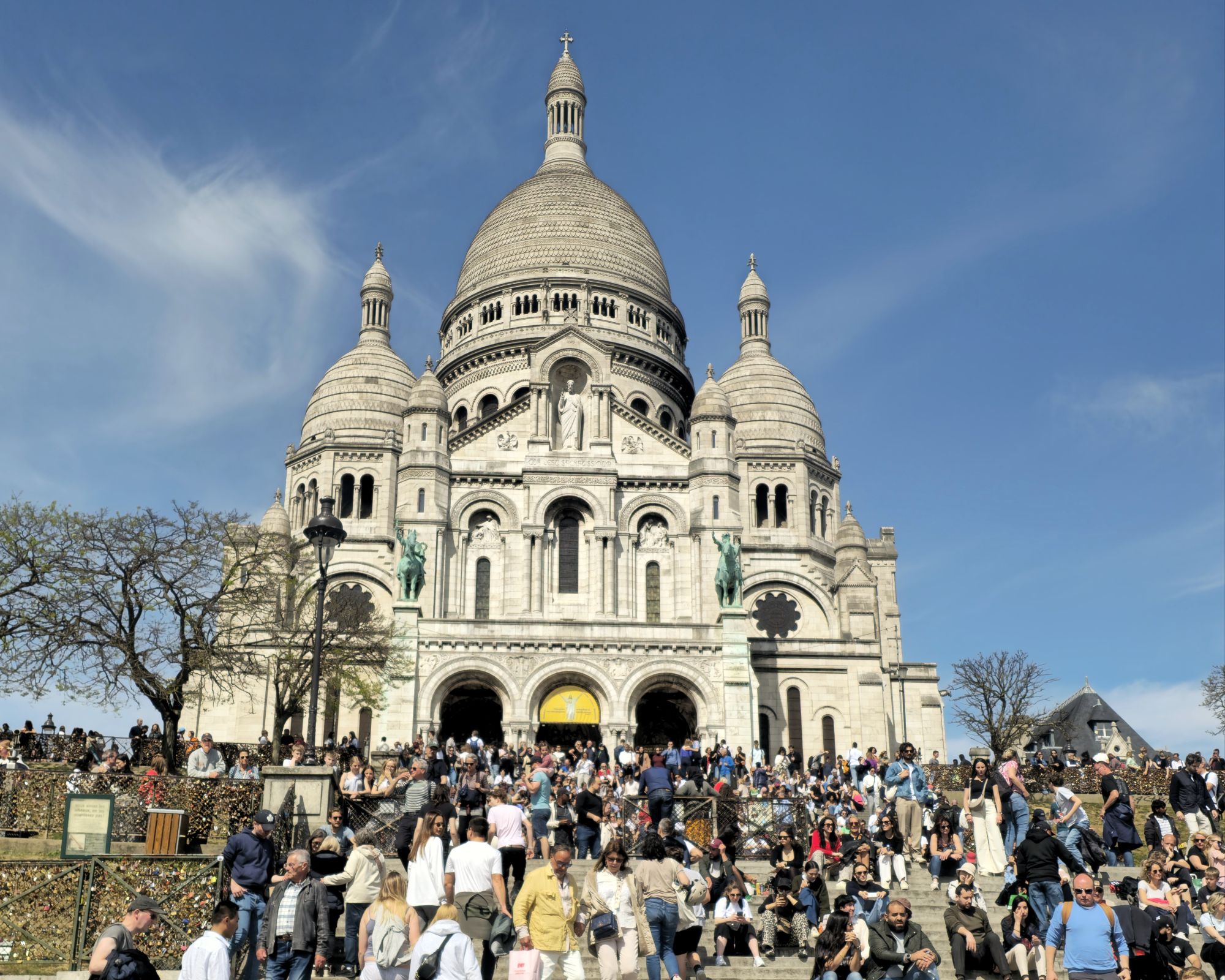
Are you feeling stressed by all the noise of modern life? Sick of attention-grabbing screens and phones? Want to cut through the mental load of pushing through crowds or waiting in lines? You might need a Quietcation: a trip where your experience isn’t dictated by crowds, noise, or chaos.
Although there’s a lot of overlap between slow travel and quietcations, they’re not identical. Both approaches encourage travellers to move slowly through spaces, choosing activities mindfully, and a focus on recharging internally through rest.
You can have a slow travel trip through the busy streets of Times Square in New York City—or find a quiet corner among the chaos in Oxford Circus, London. But in a quietcation, you’re looking to avoid crowds and others; some people even take it so far as to disconnect their phones and turn off social media presence. Quietcations are designed to not take you to places where too many people are, or too much is going on, in order to give a sense of quiet. They focus on silence and stillness over ticking off endless checklists. This could look like:
Second-City Travel
I’ve seen a movement of “second-city” travel—instead of going to cultural centres, traveller opt for less-popular, but similar-feeling, destinations. So for example: instead of going to Toronto, Canada, maybe you opt for Ottawa instead (a less-populated, but equally-historical, city).
Off-Season Travel
Basically, not travelling when everyone else will be in a particular area. If you know that Lake Como is going to be buzzing with tourists all summer, you might decide to go in October instead. The weather is still nice, but there are fewer people there, and hotel rates won’t be as high.
Remote-Location Travel
Forest-surrounded cabins without wifi. Waterfront cottages without cell phone service. Some people will even go as remote as places without running water or electricity! In these parts of the world, running into crowds of people is unlikely.
Silent Retreats
Silent retreats are limited-time wellness retreats (think, a weekend to a week long) where speaking is limited or completely forbidden, except in emergency cases.
Camping
This isn’t my forte, but some people want the quiet and silence that comes with being alone in the outdoors. Activities like hiking, canoeing, and building fires, climbing trees can turn down the volume of life’s noises. This is escpecially true when exploration and survival are top priorities.
There’s one other way to “quieten” a holiday: pay for the luxuries that remove crowds as a problem completely.
Avoiding Crowds Through Luxury Upgrades
There’s a trend I’m noticing in the travel sphere, that I don’t think is limited to just travel: sometimes luxury is sold to us as the idea of avoiding others.
I see this in the airport lounges—where if too many people are let in, travellers complain that they’re not as special as they once were. Or seeing private planes as a status symbol; the appeal isn’t just the appearance of riches. It’s also that special moments aren’t shared with strangers, only close friends.
You can buy privacy in private beaches/clubs, chartered boats, or private tours. I saw a TikTok last year where an influencer banded together with a group of friends to rent out the Louvre Museum in Paris for the night. Money can go a long way to cut through the noise that others bring.
But I’m of two minds about whether this is a good idea. I think about these practices, it means that experiences, through adding a “crowd-free” experience for a price, becomes tiered in terms of exclusivity. Suddenly, there’s another bar to clear; and that bar is, well, you.
You are a person, who decided that this was a place worth going to. It’s like when you’re late, and you text someone explaining you’re “stuck in traffic”. You are the traffic. By showing up, you’ve created the problem (too many people) you’re trying to avoid. It’s odd to think that money can buy our way out of a problem that we’re actively creating. Not everyone gets that opportunity.
Still, I understand the idea behind wanting a quieter trip. Quiet gives us a chance to rest, to turn inwardly, and to avoid distractions (or even just a break from my phone!), and is a key part of slow travel. Would I want a completely-silent vacation? Probably not. But avoiding the noise I can listen to my own wants and needs makes sense to me.
What are your thoughts on quietcations? Would you plan a trip centred on silence? I hope you’ll let me know below—and always, happy travels!


Leave a Reply