This week, I’m celebrating 13 years of living in London—what started as a post-university trip to get an internship became a full-time job, and although I’ve travelled a lot, London is the place I’ve called home for over a decade.
I’m not a big history buff; it was never my favourite subject in school, and I can’t say that it’s something I go out-of-my-way to educate myself on. But walking around London, you can’t help but feel like you’re part of history (there’s just so much of it here!), and once you start noticing it, it’s hard to stop. Here are the things I love to notice when I walk around the city:
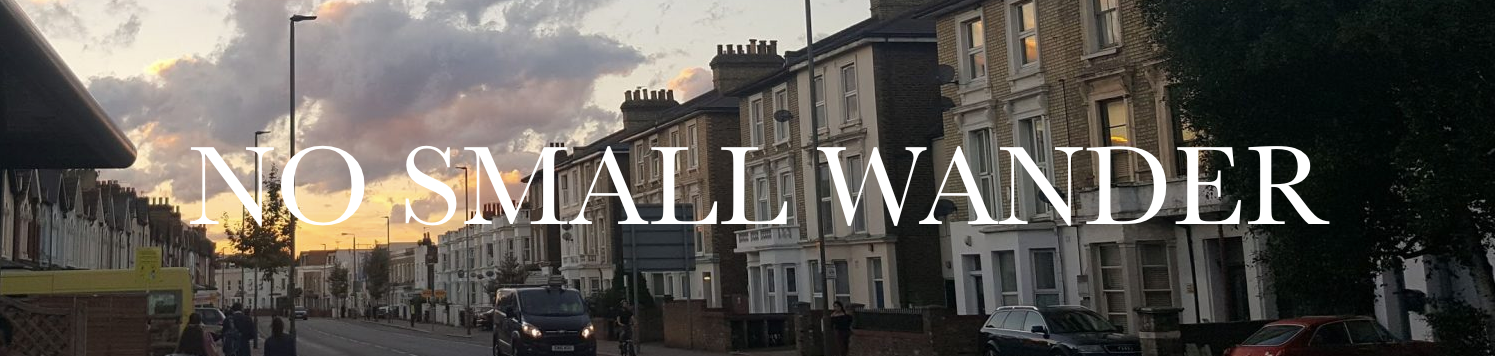
The architecture shows a timeline of London’s rulers. When I first moved here, I was used to suburbia—detached houses with huge yards and driveways—and, when I went downtown, tall skyscrapers in the centre of Ottawa. London isn’t like that at all. Here’s what I’d see in South London: redbrick homes with meter-thick front “yards”, all connected to each other down the street. Buildings I’d assume were houses broken up into smaller apartments. In Kensington, tall white-pillared columns adorn the most expensive homes in the city. In Notting Hill, like the brownstone apartments of New York City, stairs would lead up to multi-level housing units. Everything was connected to the houses around it; having a stand-alone dwelling was for the uber-rich at the outskirts of the city.
These styles of houses all had names like Georgian, Edwardian, Victorian, etc. and these names were based on the ruler at the time the houses were being built. So if you walk through London with the knowledge of what the houses are called, you’re actually educating yourself on the history of when the house has been built, and under what ruler that house style was most popular!
The bombs of WW2 still have an impact on the city. Last year, roadwork being done on our street, and I struck up a conversation with a construction worker. Turns out, he was not doing the actual work; he was the on-call bomb expert!
According to him anytime that there’s digging underground in London, a bomb expert is called in to assess any remnants that might be found. I was told that mostly, the debris that’s found are dud bombs (ie, ones that haven’t gone off, and won’t in the future), but there’s always the possibility that an active bomb dropped in World War II was covered by the debris and paved over, and could go off in the future. I thought it was wild that something dropped almost 100 years ago could still be active, but I’ve never been one for chemistry, so I’m glad that precautions are being taken on the street I live on!
That’s not the only way that the impact of WWII bombs is felt—sometimes, I’ll see a building in a neighbourhood that has a completely different style. You’ll see Georgian house after Georgian house—then bam, 80’s brutalist building….then back to the Georgian houses. It was only after mentioning this to a friend when she explained, that’s how you can tell where the bombs fell. The houses came down, and were built back up based on the style of the new age. And speaking of the new age…
Old buildings, new purpose. You don’t have to look hard for this to happen, but when I first moved here it was shocking to me; whenever I’d heard of a new mall or market in Ottawa, it meant that one was being built. But London is so compact, buildings don’t really stay vacant long without someone imagining a new purpose for them. Examples of this might include the Mercato Market, a food hall in Mayfair that’s set up inside a Grade-I listed church; a crypt in St. Martin’s that’s been turned into an underground coffeeshop; a bank in Clapham Junction is turned into a bar. One of my favourite places to go dancing to go to in my 20s was the Tram & Social in Tooting—a huge warehouse-turned-club where they used to repair the tram cars. The history remains part of the charm of these places, but new businesses move in!
If you’re planning to visit London, I hope you’ll notice how much the language of the past shapes the present. Let me know how you feel about experiencing London’s history as you walk through the city; as always, happy travels!
 No Small Wander
One thought on “3 Ways London’s History Shapes How the City Feels Today”